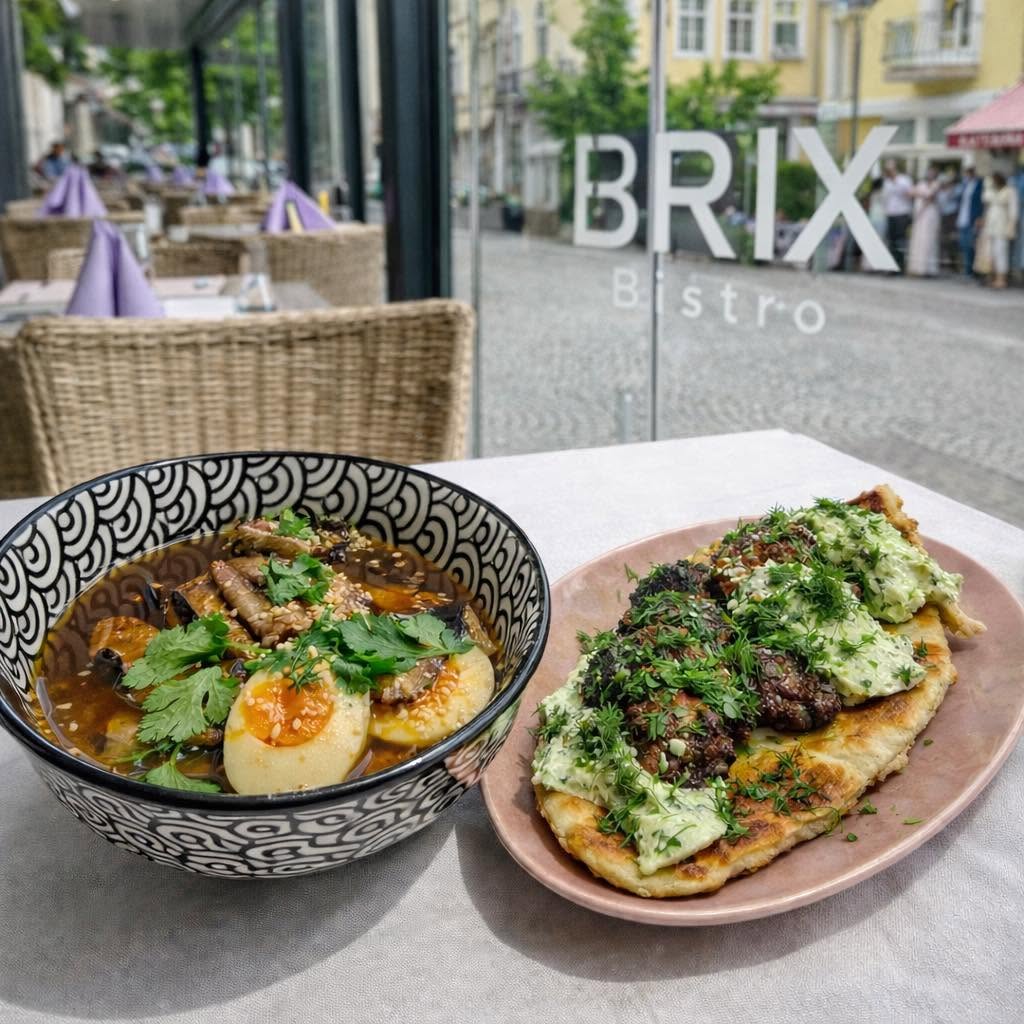
Brix Bistro, Hévíz: contemporary Balaton and Zala flavours near the thermal lake
There is a side to Hévíz that is not built around healing waters, traditional inns or hearty Sunday lunches. At Rákóczi utca 16–18., Brix Bistro Hévíz aims to show what Balaton and Zala cooking can be when familiar ingredients take a new form on the plate. Potato lángos with truffle cream, pikeperch in a pumpkin-seed crust, beef cheek in red wine, dödölle balls and fruity curd-cheese dumplings: these dishes do not deny their Hungarian roots, but neither do they cling to familiar solutions at all costs.
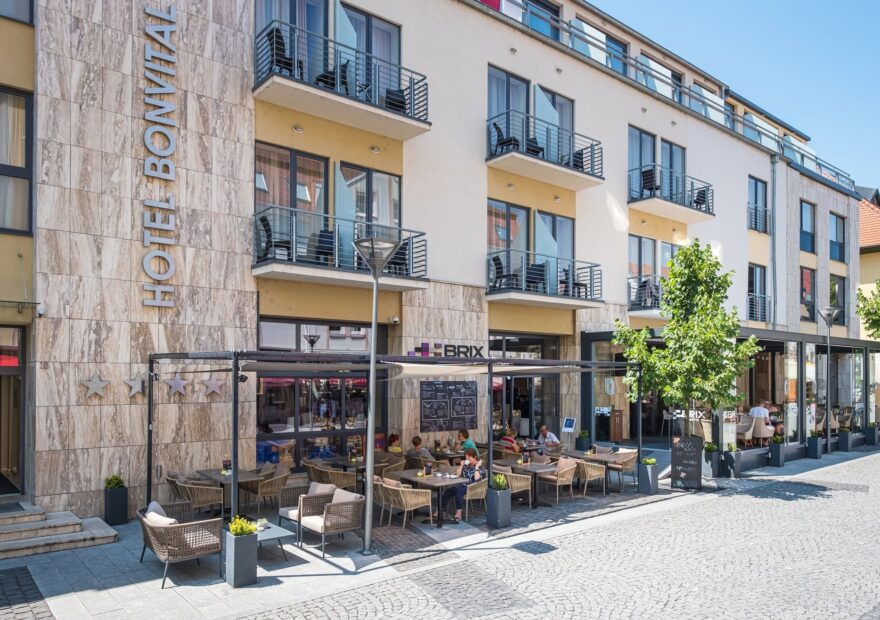
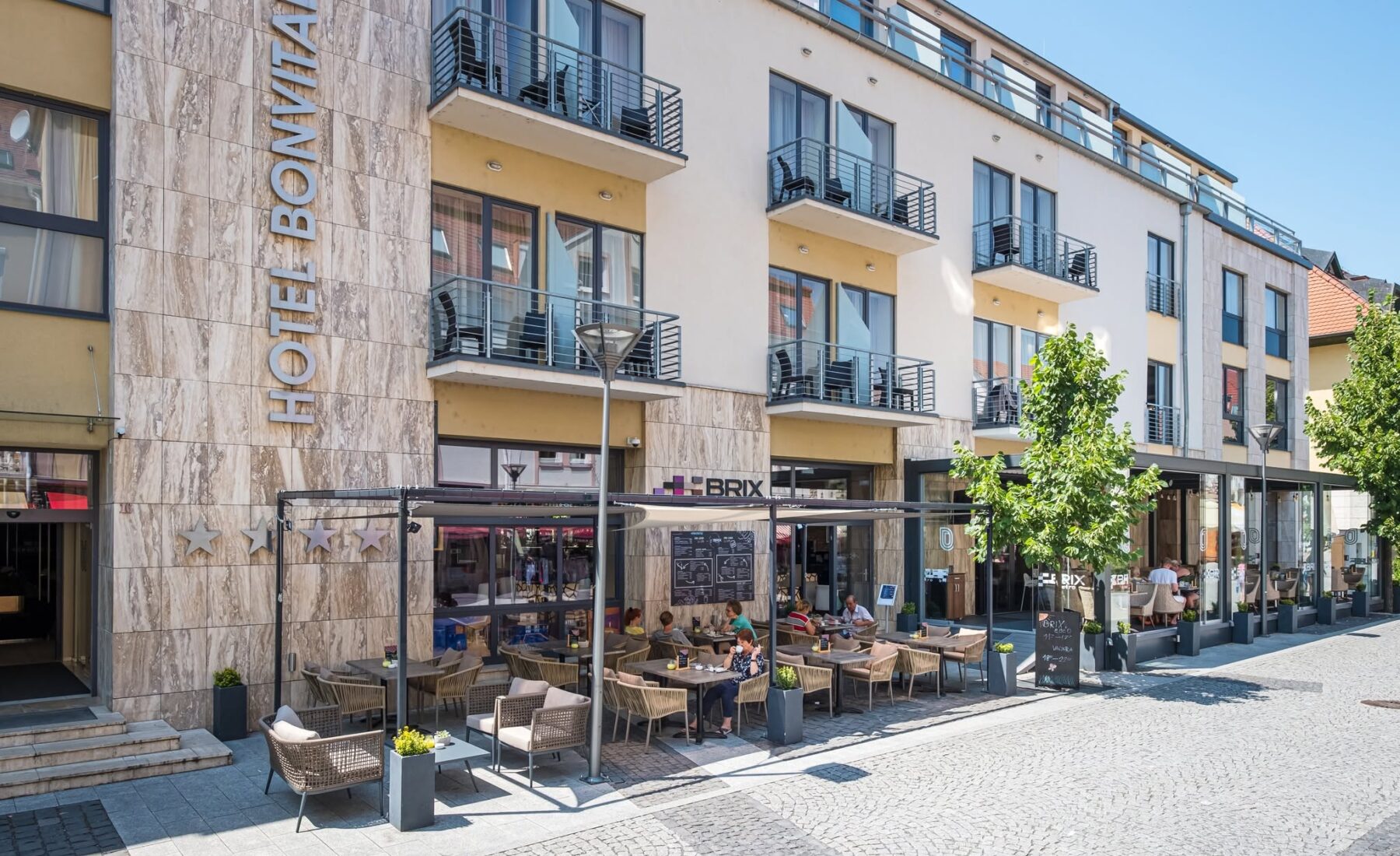
The restaurant operates as part of the Bonvital Wellness & Gastro Hotel, but welcomes more than overnight guests. Its stylish brick-walled interior, covered terrace, cocktails and occasional musical events also appeal to visitors coming specifically for dinner. In 2025, it joined Gault&Millau’s recommended restaurants, an important endorsement of the kitchen concept renewed at the time. The recognition is not a Michelin star, however, nor does it guarantee that every dish succeeds equally well every evening: guest experiences deserve separate consideration here too.
How did Brix Bistro begin?
Brix’s story began in spring 2017 with the opening of the Bonvital Wellness & Gastro Hotel. The bistro welcomed its first guests at the same time, holding its official introductory evening on 6 October 2017. According to a contemporary report, the hotel was built from the outset around wellness, medical treatments and gastronomy. Brix became the independently accessible à la carte expression of that idea.
At the launch, the chefs and hotel management were not aiming for another tourist restaurant offering a little of everything. They wanted modern cooking to match the modern design: a kitchen with room for Hungarian classics, international techniques and seasonality. Both the staff and menu have changed since. Brix therefore represents not one fixed set of recipes but a continually evolving bistro concept.
Ács Ferenc and the culinary shift of 2025
The most important documented professional milestone came in mid-2025, when Ács Ferenc took over the kitchen. A report on Hévíz’s official tourism website highlighted collaboration with local producers, fresh ingredients and a desire for continual innovation in his approach. The same report announced on 1 October 2025 that Brix Bistro had joined Gault&Millau’s recommended restaurants.
Accuracy matters: this is the recommendation announced in 2025, not a claim about a particular toque count or score still valid today. The chef’s 2025 position is well documented, but the current team should be confirmed before publication. What is clear is that the idea of renewal can also be seen in Brix’s recently available menu.
What makes Brix’s cooking interesting?
One risk for modern bistros is that a plate wants to look better than it tastes. Brix’s most interesting dishes suggest a different aim: exploring the possibilities hidden within familiar Hungarian food. The core ingredient is often very recognisable. The lángos contains potato, the beef cheek comes with dumplings, pikeperch is coated in pumpkin seeds, and dödölle meets sour cream. The difference lies in the details: a different texture, a new accompaniment, an unexpected acidic or spicy counterpoint.
The official introduction emphasises ingredients characteristic of Balaton and Zala. Several dishes in the current online selection support this, although regional inspiration and documented local sourcing are not the same thing. We would not claim every ingredient comes from a local producer until the restaurant has verified its specific source.
The starter that sums up the venue: potato lángos with truffle cream
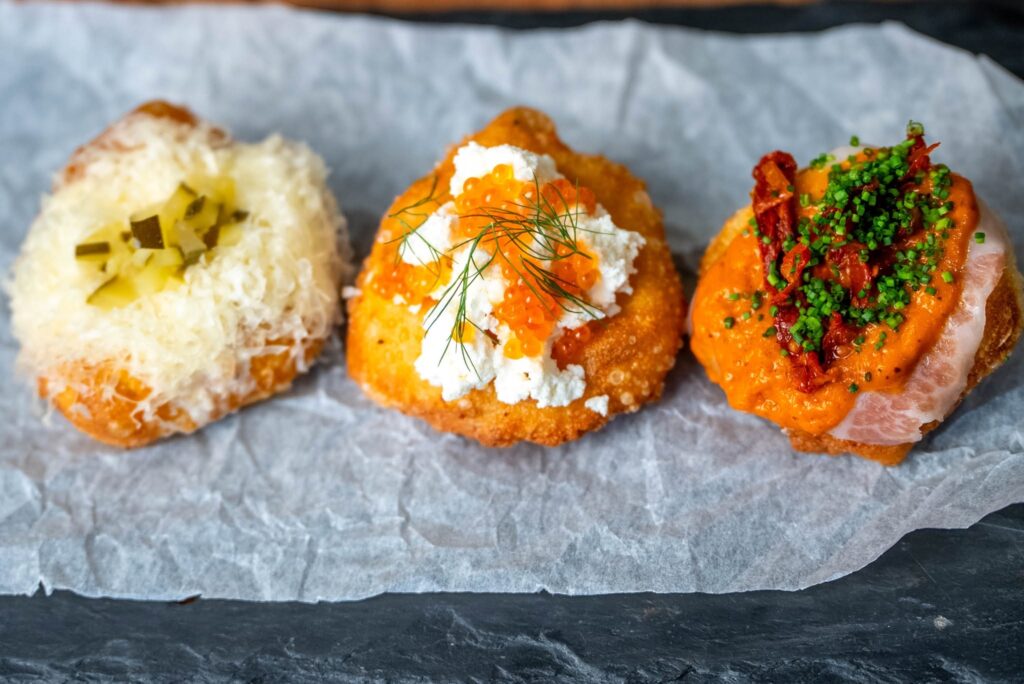
If we had to explain Brix’s thinking in a single bite, we would choose the potato lángos with truffle cream and smoked cheese. Lángos is one of the best-known dishes of everyday Hungarian cooking, but here its familiar sour-cream-and-cheese character is complemented by truffle cream, chives and smoked cheese. It works best when the dough is sufficiently light, the cheese does not overpower the other flavours and the fragrant cream simply adds to the story.
The starter costs HUF 2,990 on the downloadable official menu. An easily shared opening requiring no particular culinary expertise, it nevertheless clearly shows how the bistro approaches a Hungarian classic.
Cabbage strudel with goat’s cheese: the less obvious choice
The starter of cabbage strudel with goat’s cheese and apple-vinegar sauce may reveal the kitchen’s creative side even more clearly. The cabbage’s distinctive, gently sweet browned flavour, the goat’s cheese’s saltiness and the apple sauce’s acidity can strike three different notes. Crisp strudel pastry can provide exactly the textural variety that makes a simple vegetable starter memorable.
This dish also costs HUF 2,990 on the official menu. It is a particularly good starting point for those who want to discover modern Hungarian cooking through everyday flavours rediscovered, rather than through luxury ingredients.
Zala’s character remains in the soups
The venison ragout soup with lime is one of Brix’s most interesting intermediate courses. Deep, woodland flavours of venison meet citrus freshness and herbs, rounded out with cream. A traditional game ragout soup’s substance can thus move in a lighter, livelier direction. It is listed online at HUF 3,390.
Less adventurous guests can choose beef broth with julienne vegetables and noodles for HUF 2,990. In summer, cold forest-fruit soup with cream, red wine and toasted almonds may also appeal. Together, the soups show how the kitchen aims to remain both familiar and playful.
Pumpkin-seed-crusted pikeperch: Balaton at the centre of the plate
One of the best regional main-course choices is pikeperch fillet baked in a pumpkin-seed crust, with mashed potatoes and tomato salad. Pikeperch is an icon of Balaton hospitality, while pumpkin seeds fit particularly well with western Hungarian flavours. Bringing them together is not a loud idea but a logical pairing: the fish’s delicate, clean flavours can gain a roasted, nutty character and crisp crust.
Mashed potatoes provide a smooth, rounded background, while tomato salad adds a refreshing counterpoint. The current online menu lists it at HUF 6,990. The document does not specify the fish’s origin, so we would be cautious about calling it “Balaton pikeperch”: the dish is Balaton-inspired, but the fish’s actual provenance needs separate confirmation.
Beef cheek with red-wine gravy: room for slow cooking too
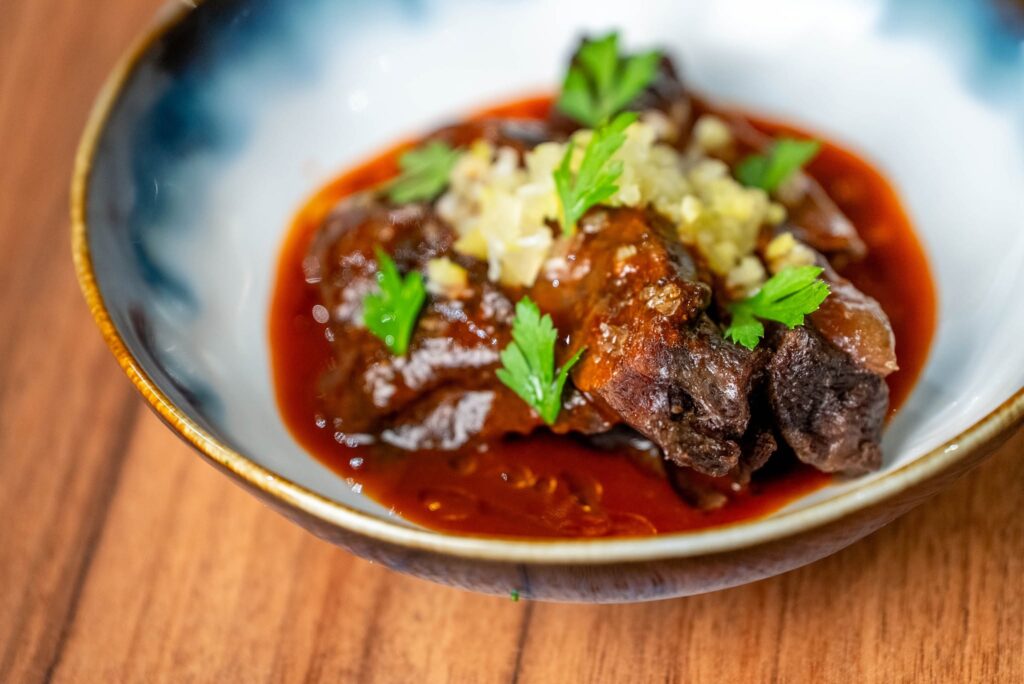
Beef cheek with red-wine gravy and sour-cream dumplings is much closer to a classic Hungarian Sunday lunch. That is no disadvantage. Good beef cheek requires slow cooking: ideally, it is tender enough to separate easily with a fork while the meat’s fibres retain some structure. Concentrated wine gravy and dumplings create substantial, homely flavours.
The HUF 6,990 dish may suit those who do not seek creativity solely in startling flavour combinations. The best modern bistros are unafraid of simple dishes, provided they are executed precisely.
Dödölle balls: Zala tradition in a new coat
Dödölle is an important part of Zala’s culinary heritage. Brix offers this familiar potato dish as dödölle balls with garlic-and-chive sour cream for HUF 3,290. The appeal lies in the tension between familiarity and a new form: traditional dödölle flavours remain, while the bites offer quite different presentation possibilities.
Interestingly, in the same region, Keszthely’s Halászcsárda emphasises making classic Zala dödölle in-house and preserving its tradition. Brix approaches the same dish with a modern bistro mindset. The two venues are not copies of one another, but two different faces of the same regional food culture.
Burgers and simpler dinners are available too
The menu is not made up exclusively of creative plates. Among the bar dishes, the Brix Burger comes with a 200-gram Angus beef patty, bacon, cheddar, vegetables and chips for HUF 6,990. There is also a club sandwich, spaghetti bolognese, Caesar salad with a choice of chicken breast or tiger prawns, and sweet-potato fries.
This dual approach makes sense. Brix is attached to a hotel but also serves an independent clientele, encountering demand for both longer, special dinners and lighter afternoon meals. Reviews nevertheless show that a poorly prepared burger or fish dish can backfire just as much as a more refined dish. An appealing ingredient name is not enough on its own.
Apricot curd-cheese dumplings for dessert, or limoncello tiramisu?
Brix’s dessert menu is particularly appealing because it offers three quite different directions. Curd-cheese dumplings with apricot purée draw on Hungarian dessert tradition, with vanilla, sour cream and sweet-bread crumbs. Apricot’s fruitiness can balance the sour-cream and curd-cheese textures. The downloadable menu lists them at HUF 3,590.
The limoncello tiramisu is a variation on the Italian classic, made with lemon mascarpone cream, white chocolate and sponge fingers, for HUF 2,190. Chocolate lovers can choose lava cake with crème anglaise for HUF 3,990. We would pick the apricot curd-cheese dumplings to follow the venue’s regional inspiration through the meal.
More than a restaurant: a covered terrace, wine list and cocktails
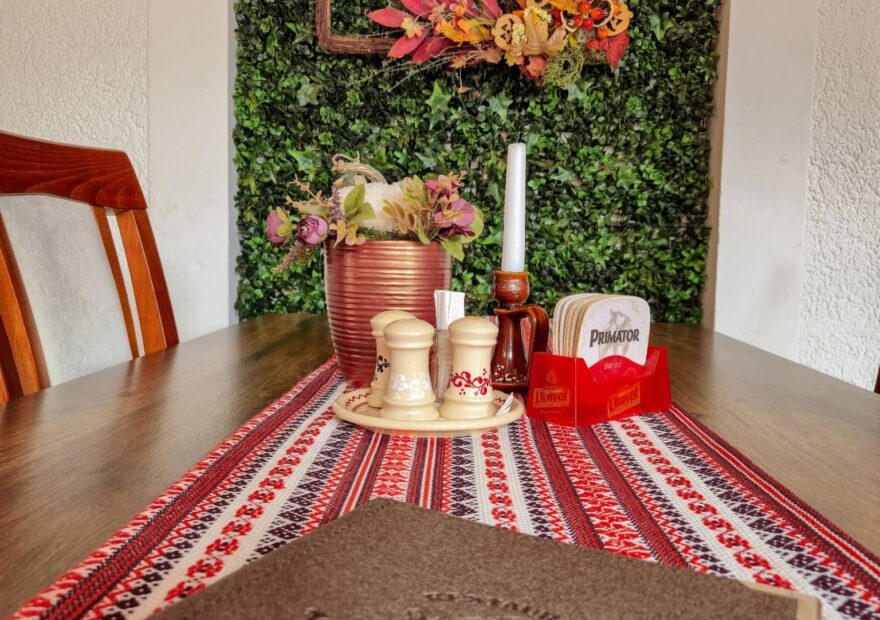
Brix’s atmosphere begins indoors: exposed brick walls, darker colours, wooden tables, varied lighting and a modern yet warmly toned restaurant setting welcome guests. It relies neither on folk decoration nor on the formality of fine dining. It is more an urban bistro that happens to occupy one of Hévíz’s best pedestrian-street locations.
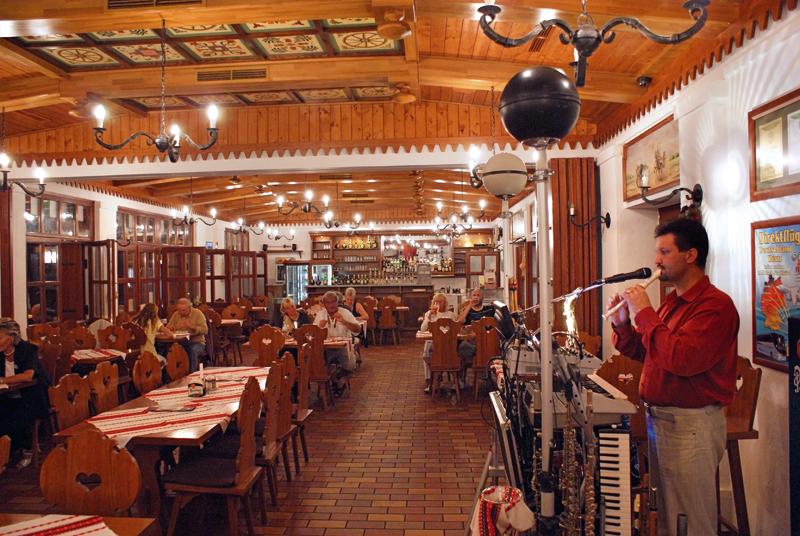
The covered terrace is an important part of the experience throughout the year. Cocktails range from Aperol Spritz to Hugo, Mojito and other classics. The wine selection includes Hungarian and international labels. A June 2026 terrace-opening event featured grill specialities, a Spritz promotion and live music, illustrating the venue’s lighter, sociable side.
Of course, pedestrian-street traffic creates a different atmosphere from a quiet lakeside terrace. Brix offers not a Balaton panorama but a central urban setting close to the bustle. That is an advantage when looking for somewhere to eat alongside a walk in Hévíz, a spa visit or an evening get-together.
A Gault&Millau recommendation: what does it mean, and what does it not?
Brix’s Gault&Millau recommendation, announced in 2025, is a significant achievement, particularly within Hévíz’s traditionally wellness-centred tourism identity. The international restaurant guide’s independent culinary perspective signals that the venue is moving in a good direction. The town’s tourism organisation also devoted a separate news item to the recognition.
However, it would be inaccurate to present it as a Michelin star, an automatic toque rating or a promise describing the 2026 situation beyond any doubt. A guide assessment arises from experiences during a particular period. The recognition is a valuable pointer for readers, but fresh guest reviews and a new personal visit can say more about current cooking standards.
What do guests enjoy, and where can the experience fall short?
The overall picture is favourable. Tripadvisor’s displayed rating of around 4.5/5, DiningCity’s 4.8/5 average and Google’s score of around 4.5/5 from several hundred reviews all indicate a positive guest base. Guests frequently praise inventive dishes, attractive presentation, cocktails, the modern interior and staff confident in several languages.
The counterpoints should not be hidden. One October 2025 DiningCity account criticised technical cooking errors and a lack of seasonality while finding the service particularly good. A May 2026 Google review, also reproduced by Wanderlog and Restaurant Guru, described cold food, dry fish and a disappointing burger. These are individual experiences and do not prove that the whole restaurant operates this way, but they show that precision matters especially at Brix’s higher price level.
We would therefore present Brix not as an infallible top restaurant but as an ambitious modern bistro with a strong character and, at times, an uneven guest experience. Favourable professional feedback and genuine guest criticism can coexist.
With a dog, children or for a romantic dinner?
Both the town’s tourism listing and DiningCity describe Brix as dog-friendly, accessible and air-conditioned. Bonvital is specifically adult-friendly accommodation, but that does not automatically mean families cannot visit the separately operating bistro. We found no explicit children’s menu in the menu checked, but there is spaghetti bolognese, a chicken dish and several simpler options; with younger children, ask about seating and portions in advance.
It can be a particularly good setting for dinner for two, especially for those who like a modern interior and enjoy a cocktail or local wine with their food. The atmosphere is livelier during themed events; for quiet conversation, choose another evening or ask for a quieter table.
How should you order to explore Brix’s own world?
We would choose three courses: first, potato lángos with truffle cream and smoked cheese, which immediately demonstrates the bistro reinterpretation of a Hungarian idea. For the main, pumpkin-seed-crusted pikeperch, neatly connecting fish with regional flavours. Finally, curd-cheese dumplings with apricot purée, bringing dinner to a lighter, fruitier finish.
The three dishes total HUF 13,570 on the official menu currently available to download, excluding drinks. According to the drinks list, prices include a 15% service charge and VAT, but check before ordering whether billing practice remains unchanged for every item. The online menu is not clearly dated, so dishes and prices may change later.
Worth a taste
Potato lángos with truffle cream and smoked cheese
Because Brix aims to show that we do not need to forget Hungarian classics in order to eat something new. Pumpkin-seed-crusted pikeperch, beef cheek in red wine with sour-cream dumplings and creative desserts share the same idea: local flavours are not treated as museum pieces but developed further.
Local tip
Because Brix aims to show that we do not need to forget Hungarian classics in order to eat something new. Pumpkin-seed-crusted pikeperch, beef cheek in red wine with sour-cream dumplings and creative desserts share the same idea: local flavours are not treated as museum pieces but developed further.
The truffled potato lángos makes an excellent shared starter, followed by pumpkin-seed-crusted pikeperch or beef cheek in red wine. For dessert, I would recommend the curd-cheese dumplings with apricot purée. Returning guests should also ask about seasonal additions: the changing menu is one of Brix's main strengths.
The BalatonEats meal plan
How to put your meal together
- 01Potato lángos with truffle cream and smoked cheese
One of Hungary's favourite beach-food dishes returns in a very different role. Potato dough, intense truffle aromas and the richness of smoked cheese are at once familiar and exciting. It is exactly the sort of dish through which Brix aims to show that innovation need not mean abandoning tradition.
- 02Pumpkin-seed-crusted pikeperch fillet with mashed potatoes and tomato salad
The delicate flesh of pikeperch and the roasted, nutty aromas of pumpkin seeds can be a particularly fine pairing. Smooth mashed potatoes provide a calm background, while tomato salad's fresh acidity balances the richer elements. A dish whose underlying idea genuinely grows from Balaton and western Hungarian cooking.
- 03Curd-cheese dumplings with apricot purée
One of Hungarian desserts' finest classics, with apricot, vanilla, sour cream and sweet-bread crumbs. Fruity apricot can pleasantly lighten the dumplings' richness, while the crumbs add another texture. A playful finish to a dinner balancing the familiar with the new throughout.
What guests say
What stays with guests?
Brix Bistro's overall picture is favourable, but more nuanced than the scores initially suggest.
Most guests enjoy the kitchen's creativity, elegant presentation, distinctive cocktails and professional service. Positive feedback is particularly strong among DiningCity's Restaurant Week reviews.
However, at a restaurant whose identity rests on a modern culinary approach and professional recognition, inaccurate cooking or a cold main course causes greater disappointment than it might at a simpler venue.
Overall, guests portray a distinctive, ambitious and widely liked bistro where consistency of preparation still shapes the experience.
+
What brings people back
- Creative reinterpretations of Hungarian food: classic dishes appear in unexpected forms with interesting flavour combinations.
- Attractive, careful presentation: several guests specifically highlight how the food looks.
- The modern, elegant interior: brick walls, warm lighting, wooden tables and a stylish bistro atmosphere.
- Knowledgeable, multilingual service: many praise the waiting staff's courtesy and professionalism.
- Meat dishes: several recurring favourites feature duck, chicken or beef.
!
Good to know before you go
- Smaller portions: some guests consider the food good but would prefer more generous quantities.
- Higher prices: criticism of value becomes particularly sharp when dishes are less successful.
- Occasionally slower or less attentive service: alongside the many compliments, some guests have reported this experience.